 Linden Tree Play Therapy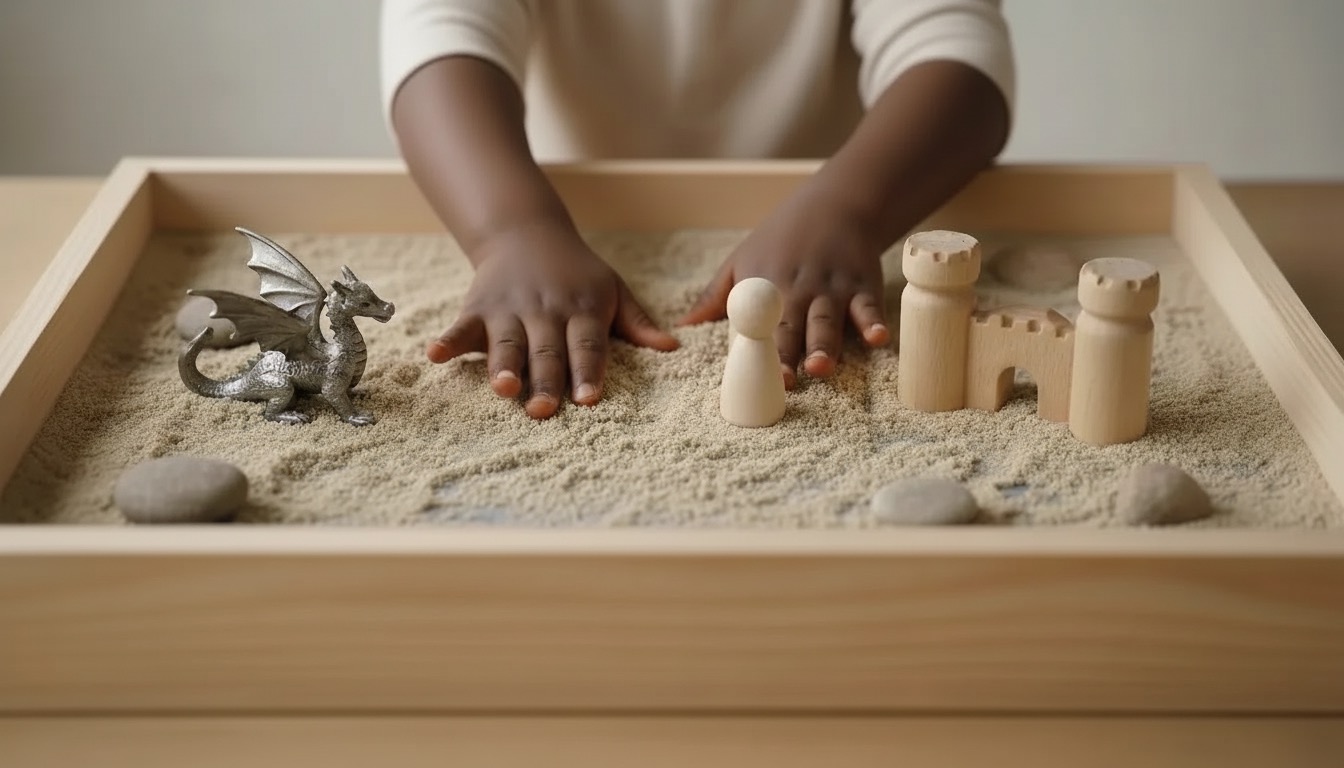
Play Therapy
What is Play Therapy?
Play therapy is a clinically evidenced, child-centred therapeutic approach designed specifically for children. Unlike adult therapy, which relies primarily on talking, it recognises that play is the natural language of childhood – the way children communicate, process experiences, and make sense of their world long before they have the words to do so. Through carefully selected toys and creative materials, children can express and explore their inner world freely and naturally, without any pressure to explain or articulate how they are feeling.
Led by the child and supported by a trained therapist, play therapy creates the conditions for children to explore, express, and work through whatever is affecting them – at their own pace, in their own way, and in their own time.
At the heart of this work is the relationship between child and therapist – one in which the child can feel listened to, valued, and delighted in. This experience of being truly seen is transformative, helping children to recognise their own worth and begin to discover their own strengths.
Play therapy is distinct from therapeutic play. Whilst both harness the power of play, play therapy is a specialist intervention grounded in a specific theoretical framework, conducted by a qualified and registered therapist, and designed to address deeper emotional and psychological needs.
How Can It Help?
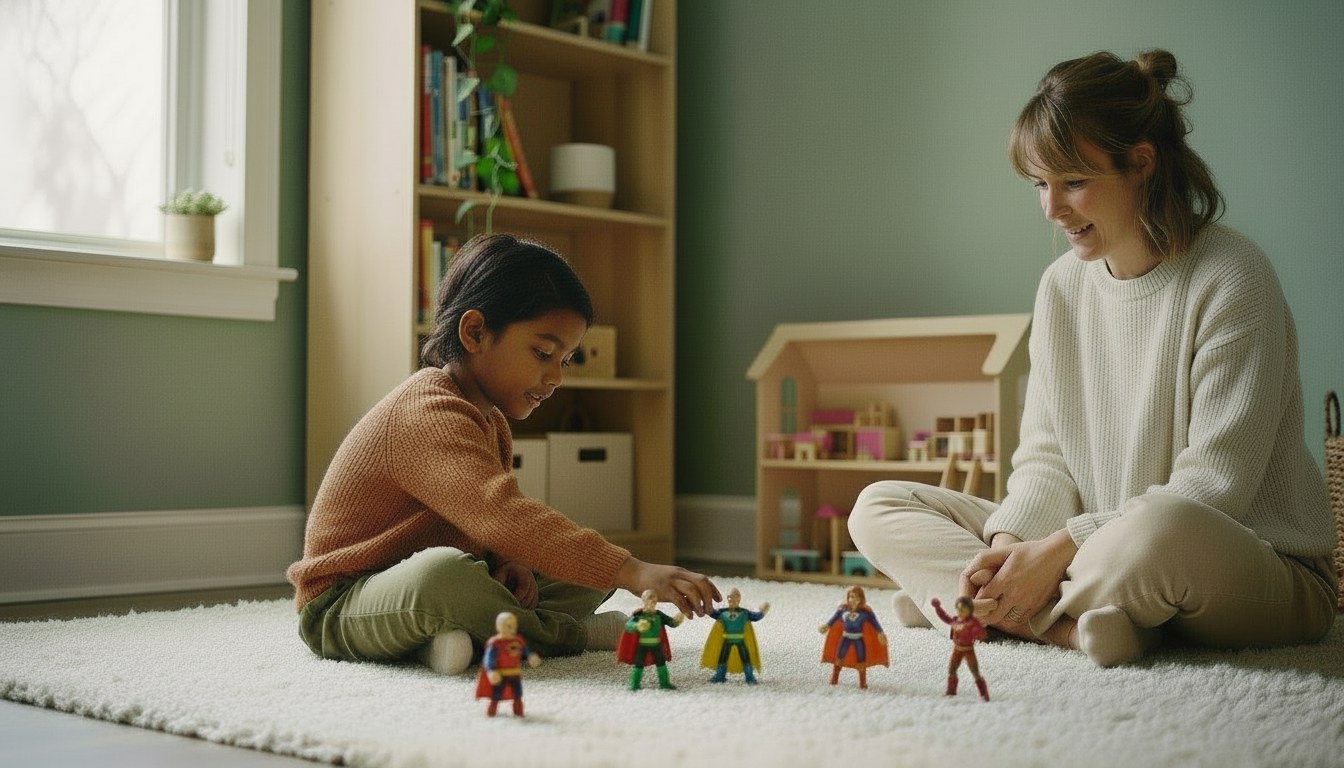
Play therapy is particularly effective for children who are finding it hard to express or manage their feelings, or who are going through experiences that feel overwhelming or hard to make sense of.
It can help with:
- Anxiety, worry, or separation anxiety
- Low self-esteem or a negative sense of self
- Emotional dysregulation, including meltdowns, outbursts, or aggressive behaviour
- Difficulties with friendships and peer relationships
- Grief, loss, or significant family changes
- Difficult or distressing life experiences
“When you’re free, you can play. And when you’re playing, you become free.”
Heidi Kadison
What Are the Outcomes?
Every child’s journey is different, but play therapy commonly supports children to develop:
- Greater self-confidence and a stronger sense of self-worth and identity
- A greater ability to identify, express, and talk about their feelings
- Improved relationships and social skills, including trust, empathy, and cooperation
- Greater emotional resilience and a growing ability to cope with life’s challenges
What is a BAPT registered play therapist?
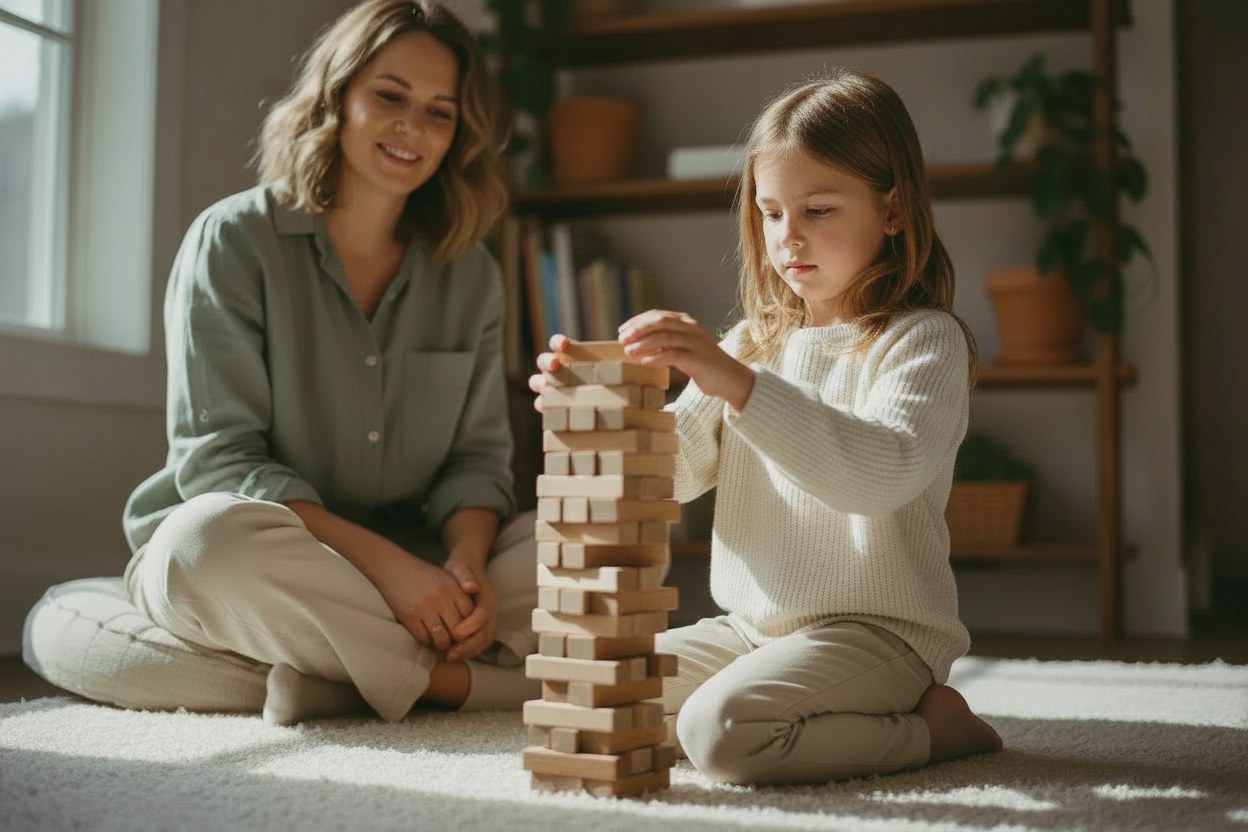
BAPT Registered Play Therapists hold a Masters level qualification accredited by the British Association of Play Therapists and bring significant prior experience of working with children in related fields. Uniquely, BAPT places a strong emphasis on personal therapy for its members – recognising that a therapist who understands their own inner world is better placed to support a child in exploring theirs.
Learn more about play therapy at bapt.info/play-therapy.